Friday, 31 July 2015

Choosing the Right CCTV Camera for Corporate Surveillance

Video surveillance is a great tool for protecting employees, preventing theft and reducing the risk of criminal break-ins. In addition, it can assist your in supervising your employees to ensure safety protocols (including WCB rules) are followed, record that the right products were shipped or received without damage, and even prevent employee harassment.

CCTV Skip Tracing Surveillance BarrieThere are so many CCTV cameras on the market today. This presents a great opportunity for you to find a camera that does exactly what you need. The first step in choosing a CCTV camera is understanding the main types of cameras out there, and of course determining the main purpose for your surveillance.

What is a CCTV Camera System?

Closed-circuit television (CCTV) is the use of CCTV video cameras to transmit a video signal to a monitor for live viewing, or to a recording device for viewing at a later date. They are used primarily for surveillance and security purposes.


What Type of CCTV Camera Should I Buy?

Here is a selection of the different types of CCTV Cameras you can consider:

Dome Camera

Dome Cameras are often used for indoor security and surveillance. Typical applications are retail environments, where the camera is designed to be unobtrusive, but visible. In addition, the "dome" shape makes it difficult to tell the direction that these cameras are facing, and thus are ideal for deterring criminals. The “bad guys” will know the facility is being watched and customers will feel at ease knowing the facility is being protected. Units that allow the camera to pan/tilt/zoom and spin quickly within the housing are often referred to as “speed domes.” Speed domes are used to cover a wide area with only one camera, or to avoid poor light conditions at certain times of day.

Bullet Camera

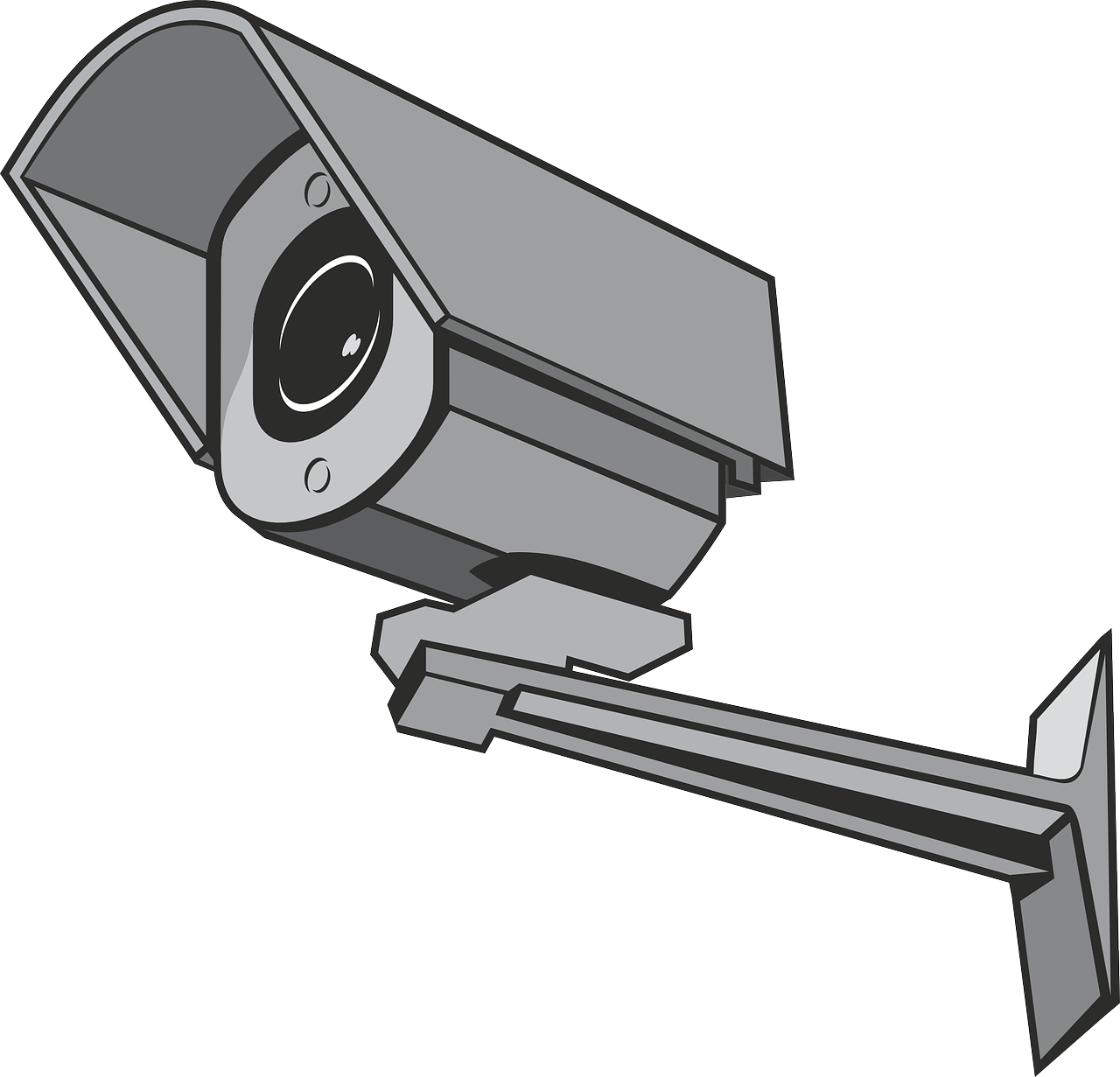
Bullet Cameras have a long, cylindrical, and tapered shape, similar to that of a "rifle bullet", often used in applications that require long distance viewing. The camera is not typically designed to have pan/tilt/zoom control but instead to capture images from a fixed location, pointing at a particular area.

A bullet camera is a wall-mount or ceiling-mounted unit that is typically designed for indoor use, but can also be used for some outdoor applications. Many bullet cameras can also be waterproof by being installed inside protective casings, which protect against dust, dirt, rain, hail and other harmful elements.

C-Mount Camera

C-mount cameras have detachable lenses to fit different applications. Standard camera lenses can only cover distances of between 35 and 40ft, therefore with C-mount cameras, it is possible to use special lenses, which can cover distances greater than 40ft.

Day/Night Camera

Day/Night cameras have the distinct advantage of operating in both normal and poorly-lit environments. These cameras do not have Infrared illuminators because they can capture clear video images in varying light conditions and in the dark.

The camera is ideal for outdoor surveillance applications, where Infrared CCTV cameras cannot function optimally. These cameras are primarily used in outdoor applications and they can have a wide dynamic range to function in glare, direct sunlight, reflections and strong back light 24/7.

High-Definition HD Camera

Ultra high-definition cameras are often relegated to niche markets, such as casinos and banks. These give the operators the ability to zoom in with extreme clarity (to look at a poker player who might have something up their sleeve).

If you plan to conduct corporate surveillance, there are some additional factors to consider.  Click here to view our post: Corporate Surveillance | What You Need to Know.


We offer a variety of corporate surveillance services that will allow us to discreetly gather information and assist you in presenting unbiased facts and circumstances. We have a strict privacy policy in place, and can assist you in navigating your own privacy-related legislative requirements.

Contact us today for more information about our corporate surveillance services.


The Renwick Group has experience working with many different types of businesses and organizations providing skip-tracing, fraud investigations, WSIB support, legal team assistance, evidence gathering, employee background checks, and more. We also work with individuals who need help with personal matters. Call us at 1 (888) 722-9807 or visit our website for information.



Tuesday, 30 June 2015

How Does Skip Tracing Work?


Skip Tracing Canada The Renwick Group - We find people
In the world of high personal debt loads, it's hardly surprising that many people fall into a bad debt situation, unable to pay their monthly commitments.  Being unable to pay and falling behind on your debts often means that your account will fall into delinquent collections.

Therefore the process of recovering the unpaid items such as cars, boats, and electronics, and / or  recovering the missing cash payments is a constant process for many businesses.

This type of problem is often sent firstly to a collections department and then if insufficient records are available, or the person has skipped out of town without leaving an address then a process called skip tracing kicks in. Many people have never heard of the term skip tracing here's a good definition for you.

“Skiptracing (also skip tracing) is a colloquial term used to describe the process of locating a person's whereabouts for any number of purposes. A skip tracer is someone who performs this task, which may be the person's primary occupation. The term comes from the word "skip" being used to describe the person being searched for, and comes from the idiomatic expression "to skip town," meaning to depart, perhaps in a rush, and leaving minimal clues behind for someone to "trace" the "skip" to a new location.”   (Skip Tracing - Wikipedia.com)

The days when you went to the phone book, criss-cross directory, or reverse directory are old-school and costly compared to the skip tracing technology options today.

With the advent of technology in general, and by using the Internet in particular, the availability and quality of information about people has expanded dramatically.

What types of information can be retrieved for skip tracing purposes. By contracting with a private investigator who specializes in skip tracing, you can gain access to all kinds of national information databases regarding a debtor.  Here are a few we frequently use as part of our skip tracing process:

Databases

Address directories
Phone directories
Nearby Information (those people who live next door to the address you are researching)
Social Security Number Verification
Credit reports/scores
Employment Departments
    Provide recent name, address, salary, etc.
Driver’s License/Vehicle Registration Departments
    Provide name, address, and asset information
Tax and Revenue Departments
    Provide name, address, and asset information
Court and Law Enforcement
Utility records
Property Assessor
Licenses (marriage, professional, business)
Business registration
Permits ... to name a few.

The Renwick Group has experience working with many different types of businesses and organizations providing skip-tracing, fraud investigations, WSIB support, legal team assistance, evidence gathering, employee background checks, and more. We also work with individuals who need help with personal matters. Call us at 1 (888) 722-9807 or visit our website for information.

Friday, 15 May 2015

Corporate Video Suveillance | What You Need to Know

corporate surveillance video cctv security
Both large and small businesses recognize the importance of implementing video surveillance to protect employees, prevent theft and reduce risk of criminal break-ins. Video surveillance systems are relatively easy to install, however, you must consider privacy legislation to prevent potential litigation and ensure you’re following legislative privacy requirements such as those implemented under PIPEDA.

One of the first steps in protecting your business from litigation is implementing a Video Surveillance Policy and ensuring that all employees are aware of the system and its purpose.


Within your video surveillance policy, you should include:


· Purpose of the video surveillance system

· Where cameras will be used or not used

· Where the videos will be monitored

· Who will have access to the recordings and for what purpose

· Privacy procedures for requesting recordings

· Details and policies for archiving video footage


If your business is in the private sector, the privacy commission requires that your "… need to conduct video surveillance must be balanced with the individuals’ right to privacy, which includes the right lead their lives free from scrutiny. Given its inherent intrusiveness, organizations should consider all less privacy-invasive means of achieving the  same end before resorting to video surveillance."


Based on this requirement, the Privacy Commission has released a series of questions to help you decide whether or not you should implement corporate video surveillance. Check out their list below or view the entire article here.

10 things to do when considering, planning and using video surveillance

  1. Determine whether a less privacy-invasive alternative to video surveillance would meet your needs. 
  2. Establish the business reason for conducting video surveillance and use video surveillance only for that reason. 
  3. Develop a policy on the use of video surveillance. 
  4. Limit the use and viewing range of cameras as much as possible. 
  5. Inform the public that video surveillance is taking place. 
  6. Store any recorded images in a secure location, with limited access, and destroy them when they are no longer required for business purposes. 
  7. Be ready to answer questions from the public. Individuals have the right to know who is watching them and why, what information is being captured, and what is being done with recorded images. 
  8. Give individuals access to information about themselves. This includes video images. 
  9. Educate camera operators on the obligation to protect the privacy of individuals. 
  10. Periodically evaluate the need for video surveillance. 


We offer a variety of corporate surveillance services that will allow us to discreetly gather information and assist you in presenting unbiased facts and circumstances. We have a strict privacy policy in place, and can assist you in navigating your own privacy-related legislative requirements.


The Renwick Group has experience working with many different types of businesses and organizations providing skip-tracing, fraud investigations, WSIB support, legal team assistance, evidence gathering, employee background checks, and more. We also work with individuals who need help with personal matters. Call us at 1 (888) 722-9807 or visit our website for information.


Thursday, 23 April 2015

5 Simple Tips to Protect Yourself From Intellectual Property Theft and Fraud

Many businesses are at risk of property theft and fraud, causing huge losses in revenue.  Implementing some simple preventative measures can decrease your risk and protect your intellectual property and goods.

Identity Theft Protection PI Barrie1.  The first step in protecting your business is installing a verified alarm system.  Verified alarm systems are different from traditional alarms because they verify the alarm for you.  You will not be dealing with false alarms in the middle of the night that require you to reset your alarm.  Verified alarm companies monitor audio or video security when the sound-based or motion-based alarms are tripped.  If a criminal is attempting to break-in to your business, they dispatch the police immediately.  Verified alarms receive prompt police response and result in criminal apprehensions.  If it is a false alarm, the monitoring station simply resets the alarm.

2.  The second step in protecting your business is a managed access control system.  This will help you monitor which employees access certain areas in your business and allows you to restrict access to certain hours of the day.  Additionally, a managed access control system restricts unauthorized persons from accessing your facility – without the proper key card access, they will be unable to enter.  Electronic key cards and fobs used with managed access control are also easy to disable – in the event that an employee no longer works at your business, it’s simple to remove their access.  This is a simple step you can take if you have a disgruntled employee who still has a key to your building.

3.  Criminal record checks are an important part of employee screening.  Your intellectual property is vulnerable to theft from outside criminals and also internal employees.  Reduce your risk by thoroughly screening employees prior to employment to identify any potential risk factors.

4.  If you’ve implemented a managed access system, you can take an extra step to protect intellectual property, client information or high-end products by limiting access to a specific office or server room.  Restrict access to managers or authorized persons to limit the amount of people who are able to access the room.

5.  Unsecured workstations increase your vulnerability to theft.  Secure your workstations, disable drives and protect your printers.  This will limit easy access to important internal information.  Securing your workstations will ensure the smash-and-grab criminal cannot remove a computer drive easily.  Disabling drives such as USB ports or other means of connecting external drives prevent employees from copying confidential data.  Protecting your printers reduces the chances of printer theft – printers often hold data in their on-board memory.

Implementing these five preventative security measures can considerably reduce your risk of theft.  Theft of intellectual property and confidential information can lead to many negative consequences for your business.  Make sure to take the steps to protect yourself from loss.


The Renwick Group has the knowledge and experience to help you or your business solve problems such as fraud, skip tracing, locating people, litigation support, labour dispute management, and more.. Please call us at 1 (888) 722-9807 to discuss your situation.